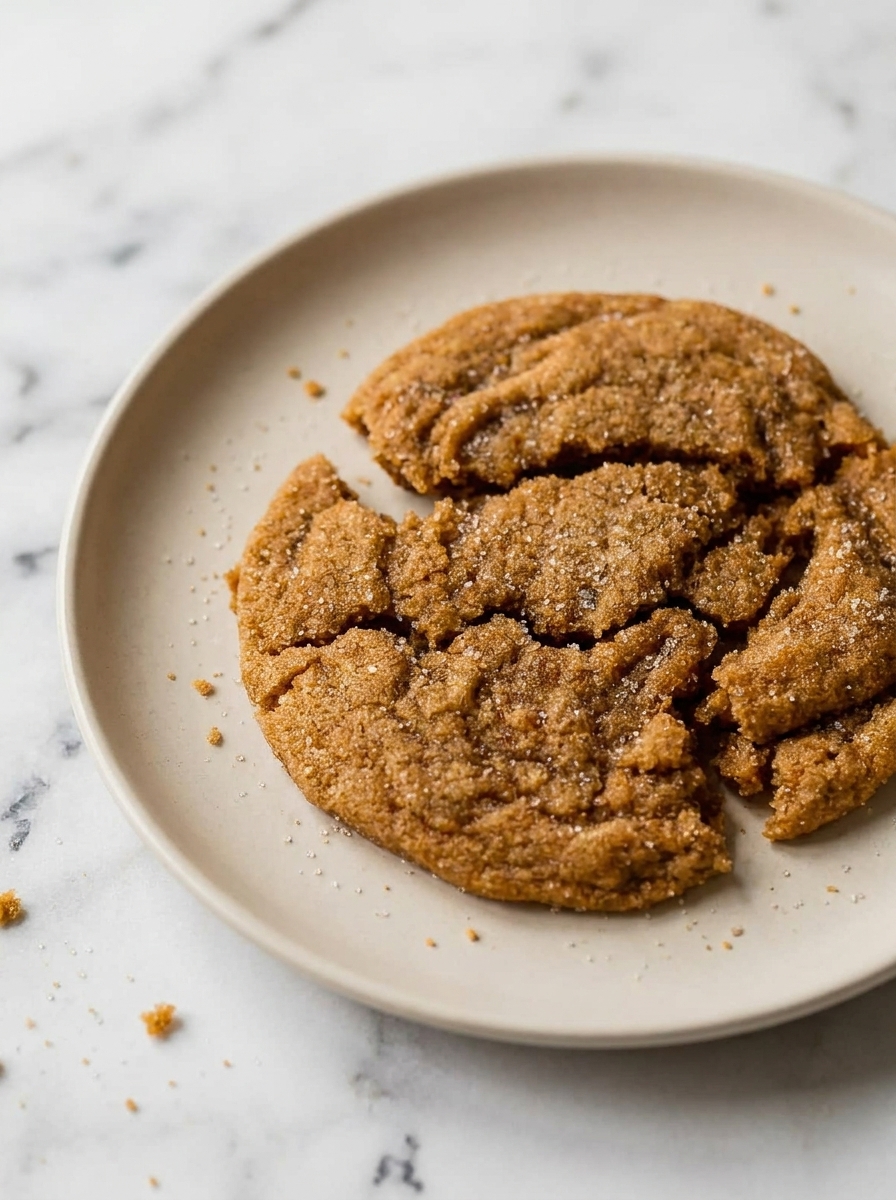
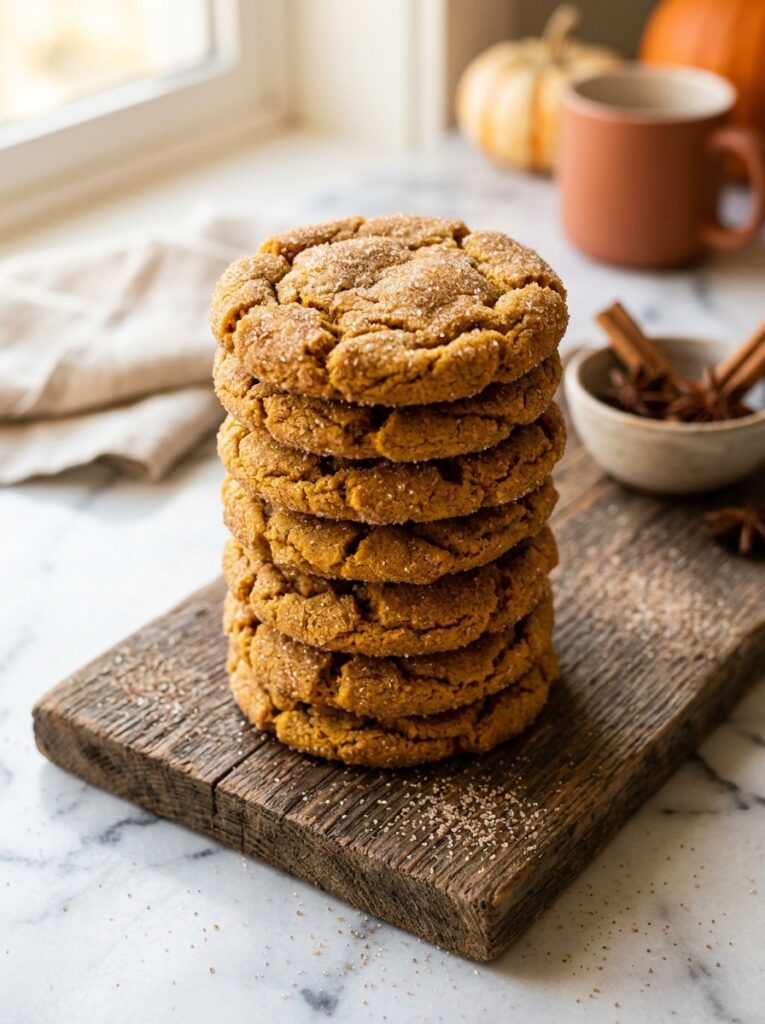
These chewy pumpkin snickerdoodles bring together pumpkin, brown sugar, and a generous cinnamon-sugar coating in a cozy fall cookie. The outside has a sweet, spiced finish, while the middle stays soft and tender. They are a lovely choice for an autumn baking afternoon, a Thanksgiving dessert platter, or a small treat alongside your afternoon coffee.
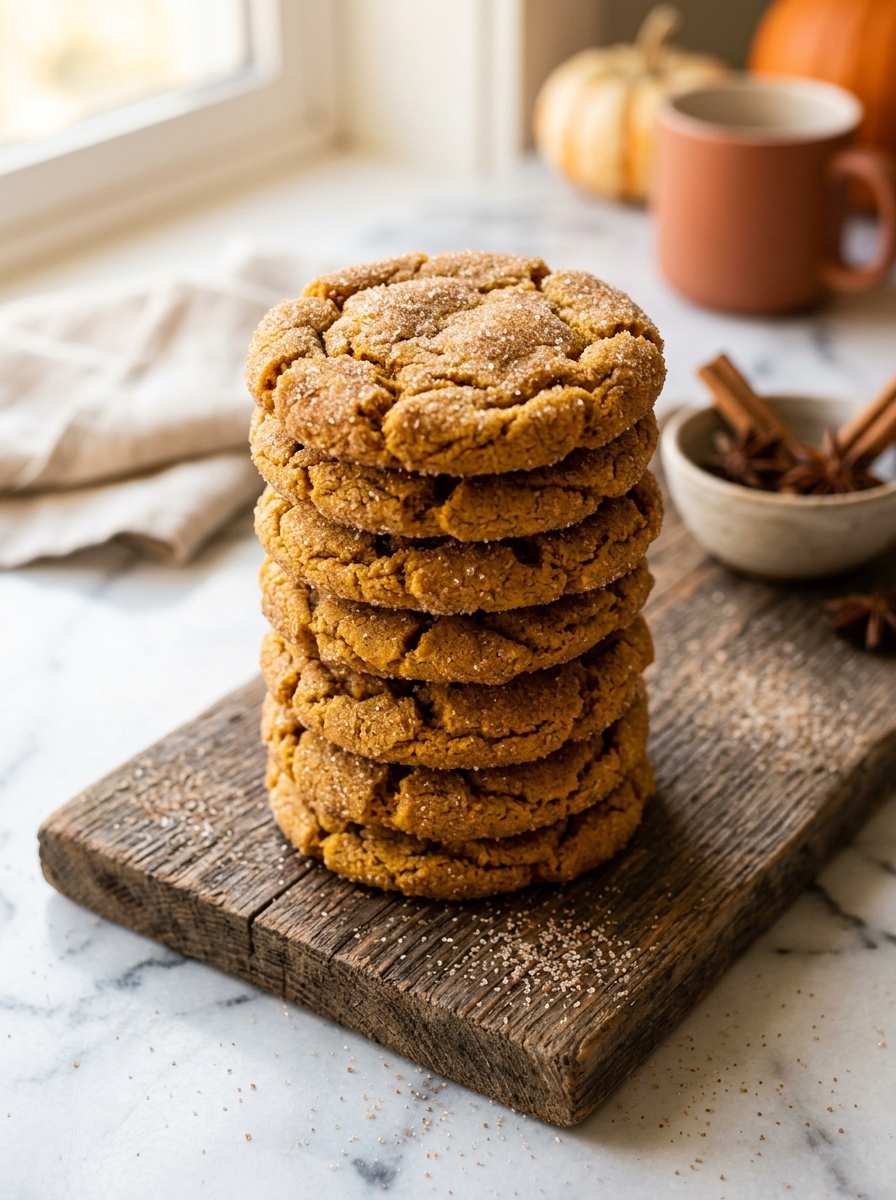
Pumpkin changes the texture of cookie dough, so a few details matter before you begin. This recipe uses a full cup of pumpkin puree, softened butter, and a whole egg. Expect a soft pumpkin cookie with a tender bite rather than the dense, bendy texture of a traditional snickerdoodle. Below, you will find the ingredient amounts, a walkthrough of each step, and practical ways to avoid dry cookies or dough that is difficult to handle.
Why You’ll Love These Pumpkin Cookies
- Familiar fall flavors: Pumpkin and cinnamon give the cookies warmth without requiring a long list of spices.
- A cinnamon-sugar finish: Rolling the dough adds sweetness and a lightly textured coating to every bite.
- Simple pantry ingredients: The recipe uses all-purpose flour, baking soda, butter, and two kinds of sugar.
- Easy to share: The recipe card lists approximately 24 cookies, making a batch useful for gatherings or a freezer stash.
Ingredients for Pumpkin Snickerdoodles
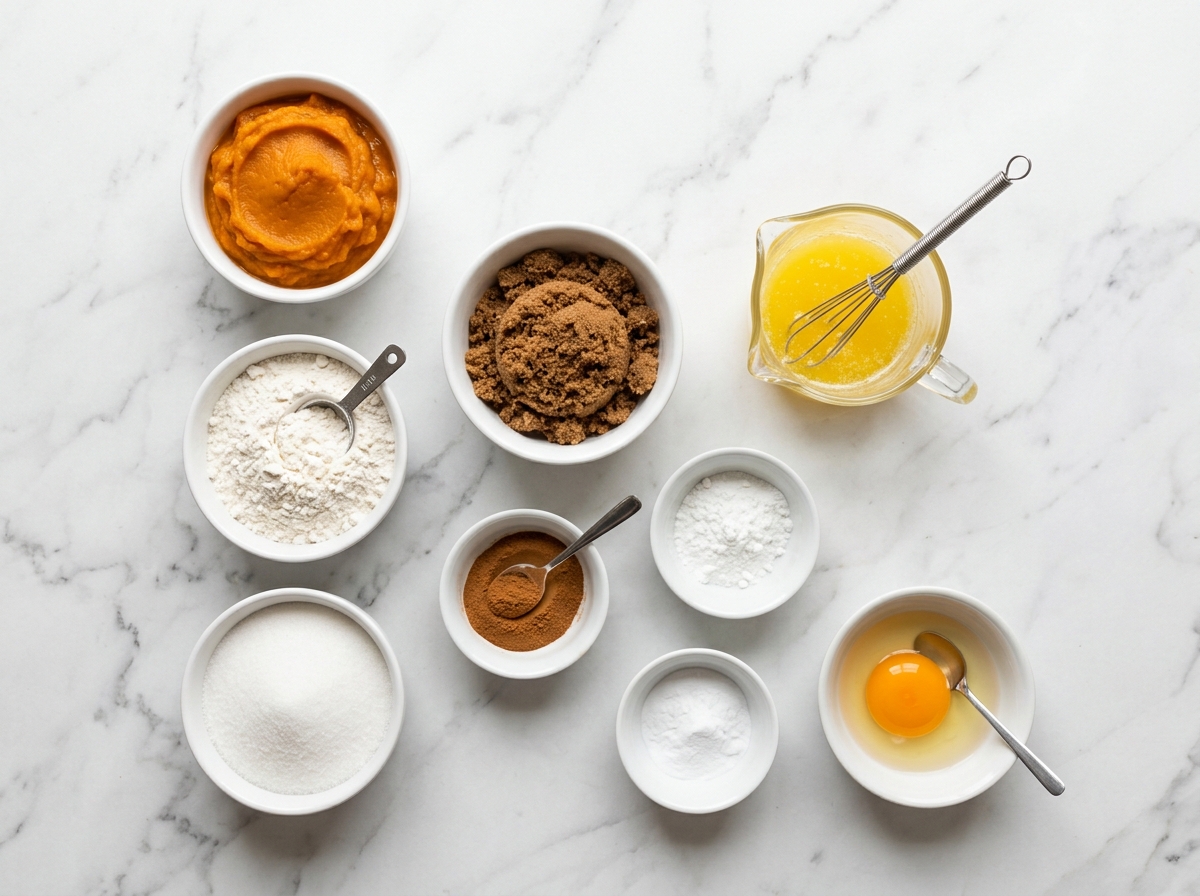
Measure everything before you begin so the mixing process goes smoothly. These amounts match the printable recipe below. Keep the rolling sugar separate from the sugars that go into the dough.
- 2¾ cups all-purpose flour: Gives the cookies structure. Spoon flour into the measuring cup and level it off; scooping directly from the bag can pack in too much.
- 1 teaspoon baking soda: Helps the cookies rise and spread. Break up any small lumps when you whisk the dry ingredients.
- 1 teaspoon ground cinnamon: Adds spice to the dough itself.
- ½ teaspoon salt: Balances the sweetness.
- ½ cup unsalted butter, softened: It should give slightly when pressed but still hold its shape. Use softened butter for the creaming method in this recipe.
- ¾ cup granulated sugar: Sweetens the dough and is creamed with the butter.
- ¾ cup packed brown sugar: Adds a molasses flavor that pairs well with pumpkin.
- 1 cup pumpkin puree: Use plain pumpkin puree, either canned or homemade, rather than sweetened pumpkin pie filling.
- 1 large egg: Helps bind the dough. This version uses the whole egg.
- For rolling: ¼ cup granulated sugar and 1 tablespoon ground cinnamon. Mix these in a separate small bowl.
Choosing Your Pumpkin Puree
Canned plain pumpkin is convenient because its consistency is generally more predictable. Homemade puree can also work, but it should be thick and spoonable rather than watery. If it has visible liquid pooling around it, let that excess liquid drain away before measuring. Do not reduce the measured cup to a smaller amount: that would change the formula in the recipe card.
Pumpkin pie filling is a different product with added sugar and spices. Check the label carefully, especially when the cans look similar on the shelf.
How to Make Pumpkin Snickerdoodles
1. Prepare the Oven and Baking Sheets
Preheat the oven to 350°F (175°C) and line baking sheets with parchment paper. Start with cool baking sheets so the dough does not begin melting before it reaches the oven. Set out a mixing bowl for the dry ingredients, a larger bowl for the butter mixture, and a small bowl for the coating.
2. Whisk the Dry Ingredients
Combine the flour, baking soda, cinnamon, and salt. Whisk thoroughly, reaching the bottom and sides of the bowl. Distributing the baking soda and spice now helps prevent uneven pockets in the finished cookies.
3. Cream the Butter and Sugars
Beat the softened butter with the granulated sugar and packed brown sugar until the mixture looks lighter and fluffy. Scrape down the sides of the bowl as needed so no dense butter remains. Butter that is melted or greasy will behave differently, so check its consistency before mixing.
4. Add the Pumpkin and Egg
Mix in the pumpkin puree and whole egg until combined. Scrape the bowl again, including the bottom. The mixture may look less smooth after the pumpkin goes in; focus on combining the ingredients evenly rather than continuing to beat it for a long time.
5. Bring the Dough Together
Add the dry ingredients gradually and mix just until the flour disappears. Use a spatula for the final few strokes if that makes it easier to avoid overmixing. The dough will be softer than a basic sugar-cookie dough because it contains pumpkin.
If it is too sticky to portion, cover and refrigerate it briefly until it is easier to handle. Check it periodically rather than adding extra flour immediately. Chilling is a handling adjustment and will add to the total preparation time.
6. Coat and Arrange the Cookies
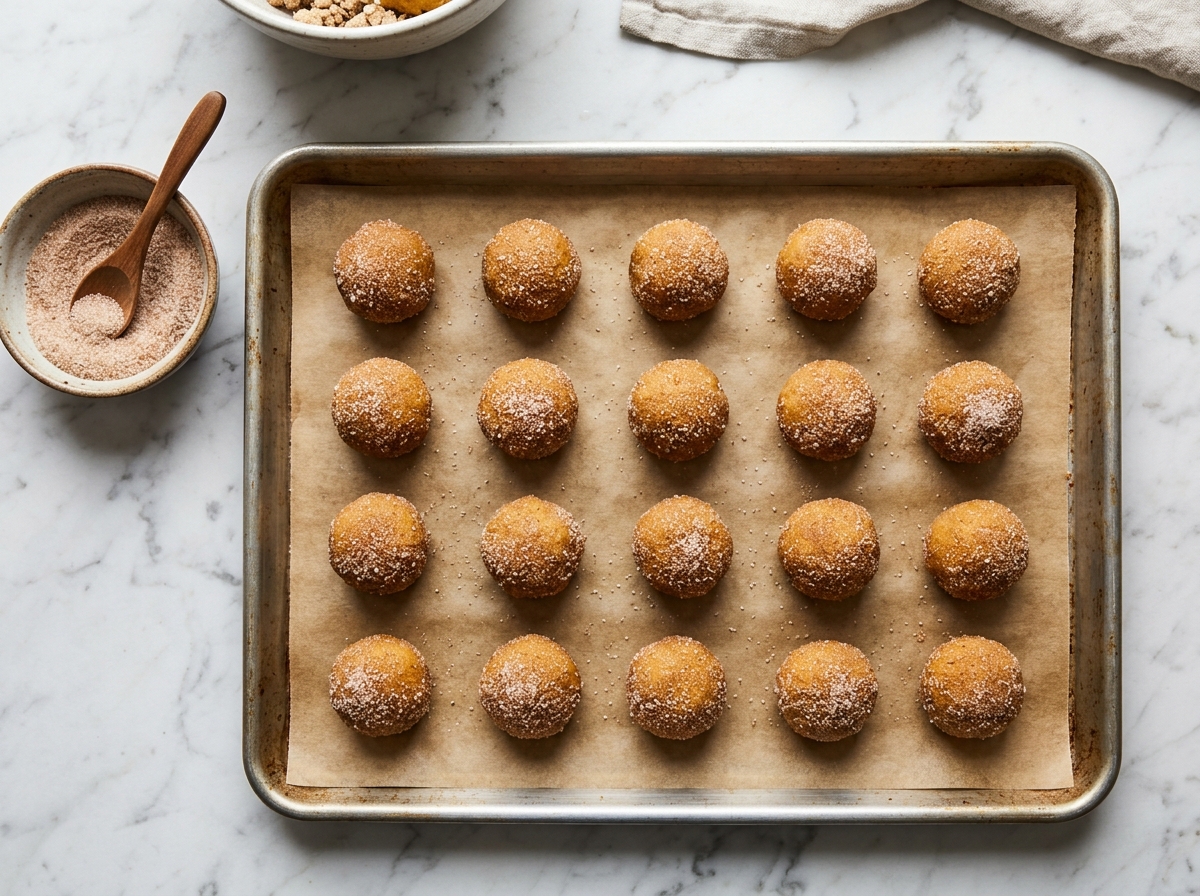
Stir together the rolling sugar and cinnamon. Portion the dough into evenly sized balls, then roll each one in the coating. A cookie scoop helps keep the portions consistent so they bake at a similar rate. Leave about 2 inches between portions and use another baking sheet if needed instead of crowding the pan.
7. Bake and Cool
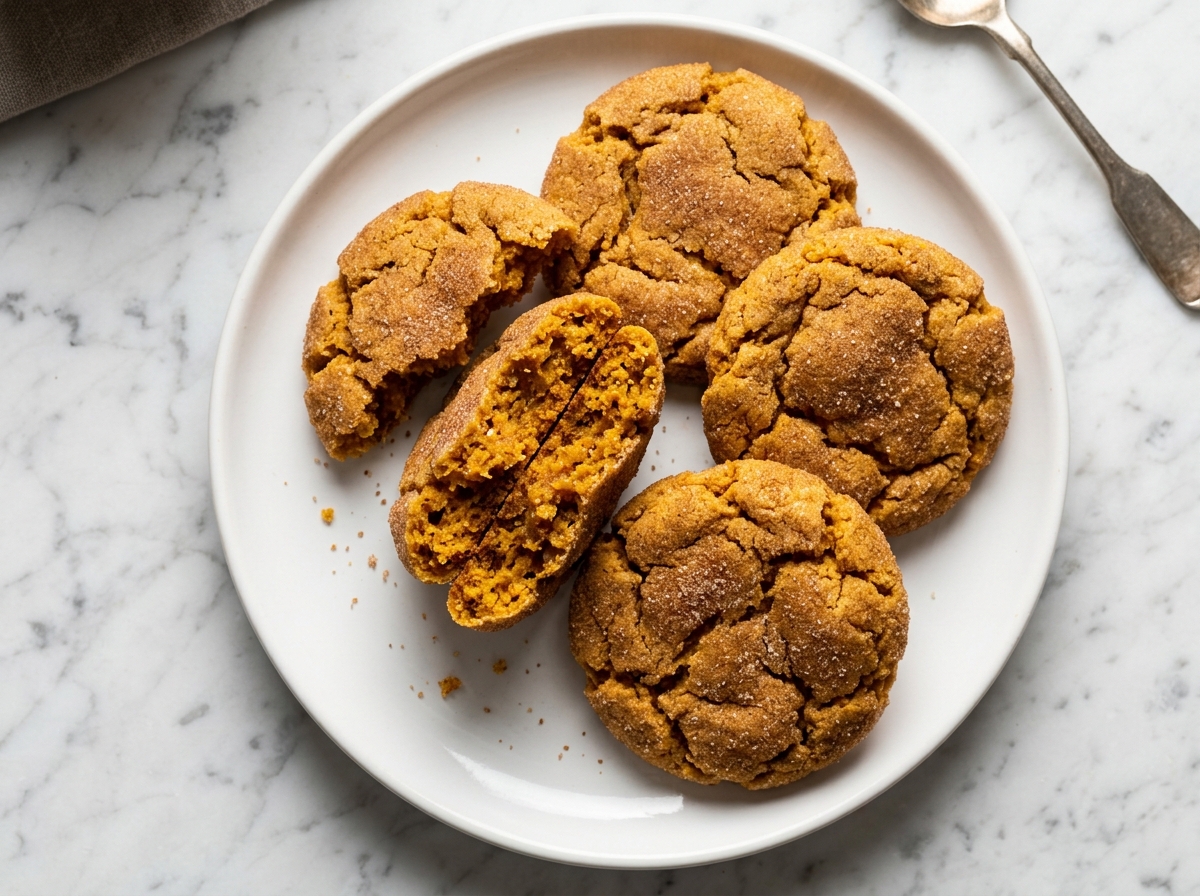
Bake for 10–12 minutes, using the recipe’s timing as a starting point. Look for set edges with a little golden color. The centers should look soft but should not appear wet or raw. Cookie size and oven differences can affect the exact baking time.
Let the cookies rest on the baking sheet until firm enough to lift, then transfer them to a wire rack. Moving them immediately can cause them to break. Allow a cookie to cool before judging its final texture; a hot center will feel much softer.
Tips for Soft, Tender Centers
- Measure flour gently. Too much flour can produce a dry, thick cookie. Level each cup without pressing the flour down.
- Keep the butter softened, not melted. This dough is built around creaming butter and sugar together.
- Stop mixing when the flour is incorporated. Extra mixing is not needed once the dough comes together.
- Watch the edges. Waiting for the entire cookie to become deeply golden can leave the center drier after cooling.
- Bake a small first batch. A few cookies can help you judge portion size, spreading, and timing before you bake the rest.
Troubleshooting Your Batch
Why Are My Pumpkin Cookies Cakey?
Pumpkin brings moisture to the dough, and this recipe also contains a whole egg. A softer, more cake-like center is possible with this formula. Excess flour can make that texture more pronounced. Measure carefully and avoid overbaking, but do not expect these tips to turn this recipe into a completely different style of dense cookie.
Why Is the Dough So Sticky?
Warm butter or a particularly loose pumpkin puree can make the dough harder to handle. Try a short rest in the refrigerator, then portion with a scoop. Adding flour repeatedly can solve the stickiness while making the finished cookies dry, so use temperature as your first adjustment.
Why Did the Cookies Spread Too Much?
Check whether the butter was overly warm or whether the dough went onto a hot baking sheet. Let pans cool between batches. If the first few cookies spread more than you like, chill the remaining dough briefly before continuing.
Why Did the Cookies Turn Out Dry?
The most useful things to check are the flour measurement, baking time, and portion size. Smaller cookies may need less time than larger ones. Start checking at the early end of the baking window and judge the cooled first batch before adjusting the next.
Serving Ideas
Serve the cookies with coffee, spiced chai, warm apple cider, or a glass of milk. For a fall dessert platter, arrange them beside slices of pumpkin bread and a few fresh apple wedges added just before serving. Let the cookies cool fully before stacking them so the cinnamon-sugar coating stays neater.
Storage and Make-Ahead Tips
Once completely cool, place the cookies in an airtight container. For the best texture, enjoy them within a few days. Separate stacked layers with parchment paper to protect the coating, and avoid sealing cookies while warm because trapped steam can make the surfaces damp.
For longer storage, freeze cooled cookies in a well-sealed freezer container for up to 3 months for best quality. Separate layers with parchment and thaw only the amount you want to serve, keeping them covered as they come to room temperature.
You can also portion the dough ahead and freeze the balls on a lined tray before transferring them to a freezer bag. Label the bag with the date and baking temperature. Frozen dough may need additional baking time; bake a small test batch and check the centers instead of relying only on the clock.
Frequently Asked Questions
Does This Recipe Need Cream of Tartar?
No. The recipe card uses baking soda and does not include cream of tartar. These are pumpkin cookies with a snickerdoodle-style cinnamon-sugar coating, so they will not have exactly the same tang as a traditional cream-of-tartar version.
Can I Use Melted Butter or Just an Egg Yolk?
Follow the softened-butter and whole-egg method here. Switching to melted butter or removing the egg white changes how the dough behaves and has not been established as an equivalent substitution for this recipe.
Do I Need to Blot the Pumpkin?
This recipe does not call for blotting the measured pumpkin down to a smaller volume. Use 1 cup of thick puree. If homemade puree has loose liquid, drain that excess before measuring, then follow the card as written.
How Long Does a Batch Take?
The recipe card lists 15 minutes of preparation and 12 minutes of baking. Allow extra time for preheating, cooling, additional oven batches, or a brief chill if your dough is sticky.
Can I Add Other Spices?
The base recipe uses cinnamon. For a variation, a small pinch of ginger or cardamom in the rolling mixture can add another flavor. Keep the cinnamon as the main spice, and treat changes as optional experiments rather than required ingredients.
More Cozy Recipes to Try
- Homemade Pumpkin Bread for another pumpkin bake to slice and share.
- Pumpkin Cinnamon Rolls for a fall brunch baking project.
- Honey Butter Cornbread for a cozy addition to the dinner table.
Printable Pumpkin Snickerdoodle Recipe
Use the card below to keep the ingredient amounts and basic directions close while you bake. If you make a batch, leave a comment with your results and any adjustments you tried.
Print
Chewy Pumpkin Snickerdoodle Cookies
- Total Time: 27 minutes
- Yield: Approximately 24 cookies 1x
Description
Indulge in the cozy flavors of fall with these Chewy Pumpkin Snickerdoodle Cookies. Soft, chewy, and infused with warm pumpkin spice, these cookies are perfect for any occasion—be it Thanksgiving or a simple weeknight treat. The delightful aroma wafting through your kitchen will invite everyone to gather ’round for a sweet moment of joy. With just the right amount of sweetness and an irresistible cinnamon-sugar coating, these cookies will surely become a cherished favorite.
Ingredients
- 2 ¾ cups all-purpose flour
- 1 tsp baking soda
- 1 tsp ground cinnamon
- ½ tsp salt
- ½ cup unsalted butter, softened
- ¾ cup granulated sugar
- ¾ cup brown sugar, packed
- 1 cup pumpkin puree (canned or fresh)
- 1 large egg
- ¼ cup granulated sugar (for rolling)
- 1 tbsp ground cinnamon (for rolling)
Instructions
- Preheat oven to 350°F (175°C) and line baking sheets with parchment paper.
- In a bowl, whisk together flour, baking soda, cinnamon, and salt.
- In another bowl, cream softened butter with granulated sugar and brown sugar until fluffy.
- Mix in pumpkin puree and egg until well combined.
- Gradually add dry ingredients to wet ingredients, mixing until just combined.
- Scoop dough into balls, roll in cinnamon-sugar mixture, and place on prepared sheets.
- Bake for 10-12 minutes or until edges are golden; cool on wire racks.
- Prep Time: 15 minutes
- Cook Time: 12 minutes
- Category: Dessert
- Method: Baking
- Cuisine: American
Nutrition
- Serving Size: 1 serving
- Calories: 150
- Sugar: 9g
- Sodium: 80mg
- Fat: 6g
- Saturated Fat: 3g
- Unsaturated Fat: 2g
- Trans Fat: 0g
- Carbohydrates: 22g
- Fiber: <1g
- Protein: 2g
- Cholesterol: 20mg